
WHEN TO CLEAN
Residential Gutter Cleaning Victoria
Homeowners who understand what clean gutters look like, when to DIY, and when to call the pros save money and protect their homes. We show you how.
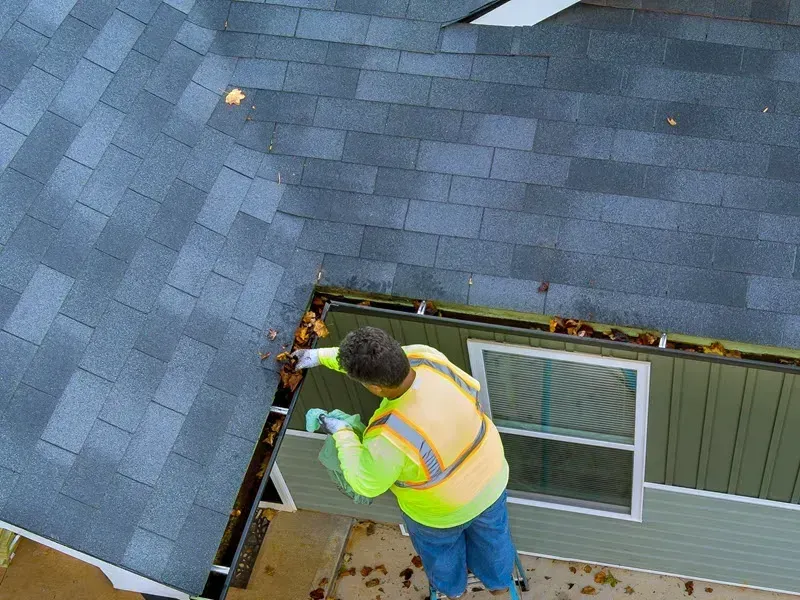
Gutter maintenance is easy to put off. Your gutters are working—water’s flowing—so why spend time on them? Then one rain hits and you notice water spilling over the edge, or worse, you see a sagging section. By then, you’re not making a choice about cleaning anymore; you’re making one about repairs.
The real decision comes earlier: do it yourself, or hire it out. Both are valid, but they demand different answers.
When DIY makes sense
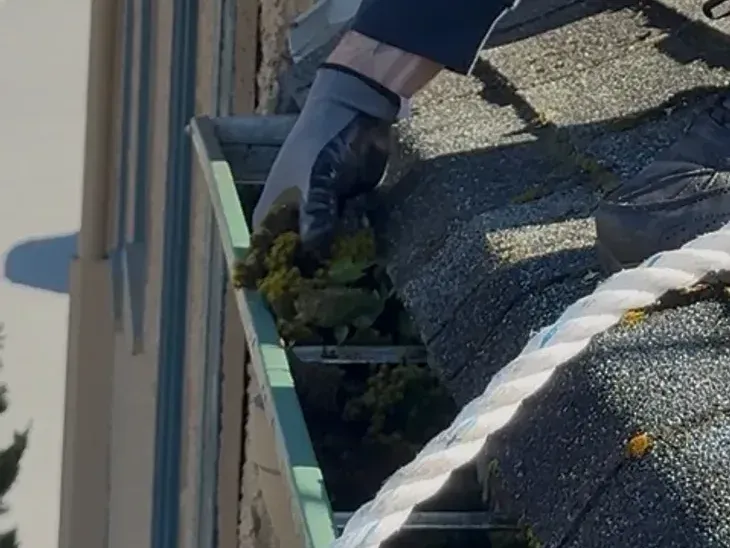
If your roof is one storey, the gutters are easily reachable from a stable position, and your property has straightforward runs with minimal debris, a one-off cleanup makes sense. You’ll save the call-out cost and learn what’s actually in your gutters. Bring a bucket, a handheld scoop, and a hose with good water pressure. Clear out the big debris by hand—leaves, dirt, pine needles—then flush the entire run with water. Watch where the water goes. If it comes out at the downspout cleanly, you’ve done the job. If it pools, backs up, or trickles out, you’ve found the problem.
The risk is yourself on a ladder, and the hidden cost is not knowing what you’re missing. Gutters have undersides you can’t see from a ladder. Fascia rot lives behind the gutter. Seams that are separating don’t announce themselves. Downspouts can clog below the elbow, where cleaning from above won’t reach.

When professional cleaning saves money
Two-storey homes, steeper roofs, or heavy tree coverage push the math the other way. A professional crew brings ladders that fit your property, water systems that flush from above and below the run, and the experience to spot problems before they become expensive. Preventive cleaning now costs far less than structural repairs later.
Victoria’s residential properties sit under mature trees—garry oaks, Douglas firs, bigleaf maples. The debris load is never what you expect. Spring brings maple keys and fresh leaf litter. Fall is the worst: oak leaves pack into valleys, fir needles mat together and hold water, and moss starts growing in the wet. By the time winter arrives, your gutters are working twice as hard. A professional crew clears not just the surface debris but the damp packed-down stuff underneath, where moss and rot start.
How to know what “done right” looks like
This is the real question homeowners face: you can’t see your gutters from the ground. How do you know the job was done properly?
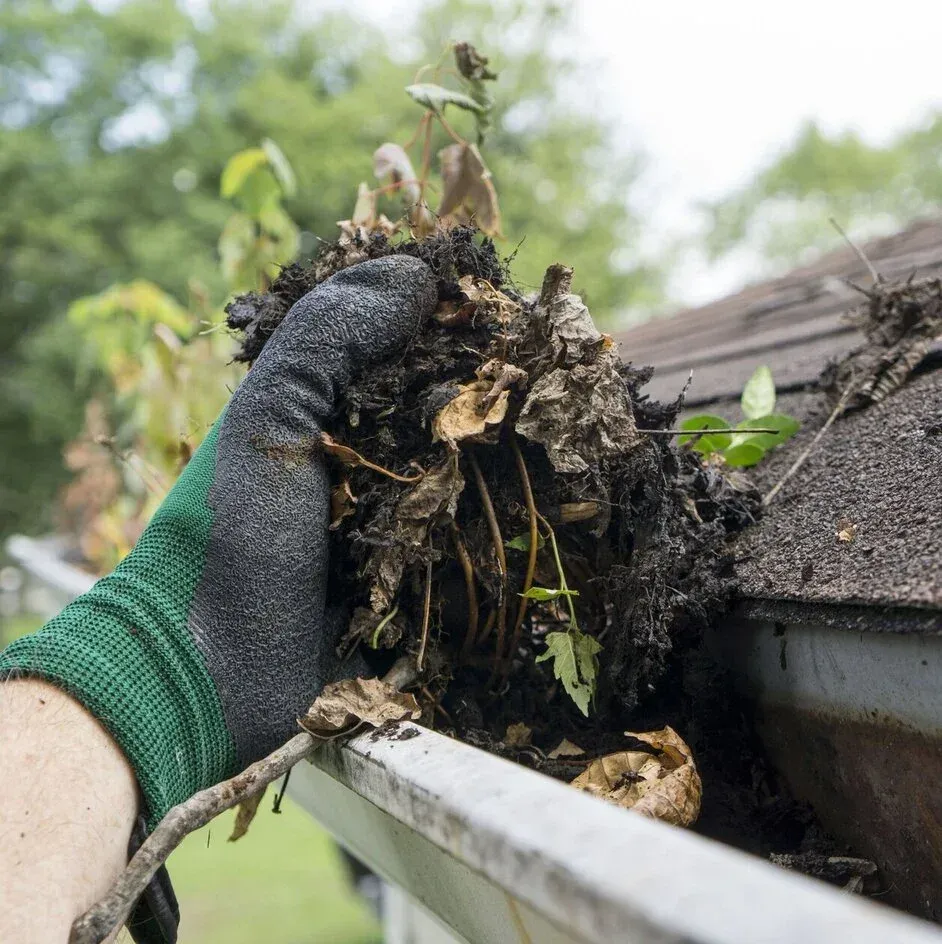
A properly cleaned gutter is free-flowing. Stand below the downspout and look at the water coming out. Does it come steadily, or does it dribble? Does it flow to the ground or splash back at the house? A clear downspout sends water away from your foundation. Backed-up gutters send it behind the fascia.
Ask the crew to take photos of the clean gutters before they leave, or walk up the ladder with them if it’s your first time. You’ll see the difference between “cleared the top” and “actually flushed”—one leaves sediment behind, the other runs clear. A thorough job includes a walk-through where they point out what they found: moss growth, soft fascia, seam issues, rust, or debris trapped in valleys that’s easy to miss.
A guarantee matters here. If a cleaning is done properly and a clog appears within a month, the crew fixes it. That confidence signals they took the time to do it right.
The best time to establish this is your first cleaning. Get the job done, get a photo record of how it looks, and you’ll know what to look for next time—whether you call a professional or head up the ladder yourself.
How it works
What Happens When You Book Us
Four steps and no surprises. You tell us about the house, we price the real roofline, and the ladder work is ours.
Send us the details
Your address, how many storeys, and anything we should know before we turn up.
The awkward parts are the useful ones — an oak hanging over the back run, a side gate too narrow for a ladder, a neighbour's drive we'd need to cross.
We price your actual house
Every quote is built from your roofline, not from an average.
Run length, height, pitch, how much has packed in and how we'll reach it all move the number. You'll have it in hand before anything is booked.
We do the climbing
Gutters cleared, downspouts flushed, water followed to where it lets out.
Whatever comes out of the run leaves with us. Nothing gets tipped into a garden bed or left bagged by the gate.
You hear what we saw
From the roof edge we see things that are invisible from the lawn.
A hanger starting to pull, a seam beginning to weep, water standing in a section that should drain. You'll hear about it either way, with nothing attached.
Four steps. That's the whole thing.
- You send us the address.
- We send you the price.
- We clear the gutters.
- You stop thinking about them.
Ready when you are — send the form or give us a call for a free quote.
Got questions?
Residential Gutter Cleaning — questions
How do I know if my gutters need cleaning?
Look for visible debris from the ground—leaves piling up, water spilling over the edge, or sagging sections. During the wet season (October through March in Victoria), check after heavy rain to see if water is flowing smoothly from the downspout. If water backs up, pools, or spills over the edge, your gutters are clogged and ready for attention. Moss growth—a dark green or blackish tint—is another sign that moisture is sitting in the trough.
Is it worth cleaning my gutters myself?
If your home is one storey with easy ladder access and simple roof geometry, a DIY cleanup can work—and it teaches you what's in there. The risk is safety on the ladder and missing problems underneath: fascia rot, separated seams, or downspout clogs below the elbow. Two-storey homes, steep roofs, or heavy tree coverage make the math different. A professional crew's insurance covers the work; yours doesn't cover a fall.
How often do residential gutters actually need cleaning?
Most Victoria homes need cleaning twice a year: once in late fall after leaves drop (October is ideal), and again in spring. If your property has heavy tree coverage—especially garry oaks, Douglas firs, or maples—three cleanings per year is common. Some homes with minimal trees may only need annual cleaning. Ask a professional crew to assess your roof and tree load; they'll tell you what frequency makes sense.
What happens if I don't clean my gutters?
Water spills behind the fascia, soaking the wood and soil. Fascia rot happens faster than most homeowners expect—one wet winter of poor drainage can soften the board and start structural damage that costs thousands to fix. Clogged gutters also create ice dams in winter, back water into your attic, and allow water to pool against your foundation, leading to basement seepage. The longer you wait, the more expensive the problem becomes.
How long does a residential gutter cleaning take?
Most single-family homes take one to three hours, depending on the roof size, debris load, and whether downspouts need clearing. A two-storey home with moderate debris might be a two-hour job. Heavy tree coverage or homes with complex rooflines take longer. A professional crew will give you an estimate before starting.
What should my gutters look like when they're clean?
A properly cleaned gutter is visibly empty, free of leaves and debris, and the trough should look dry and bare. Stand below the downspout and watch the water flow—it should come steadily and cleanly without backing up. The fascia should look dry and unblemished. Ask your crew to take a photo of the clean gutter before they leave; that's your reference for what "done right" looks like, and you can compare it if you clean again next year.
Will cleaning my gutters prevent ice dams?
Partly. Clear gutters are necessary but not sufficient—roof insulation and ventilation matter too. But debris-clogged gutters guarantee ice dams because water can't drain and backs up into the roof. Cleaning your gutters in fall prevents that worst-case scenario. Combined with good attic ventilation, clear gutters keep meltwater flowing instead of pooling under ice.
Should I clean gutters in spring or fall?
Fall cleaning is more important—do it in October before the wet season, so your gutters drain freely and ice doesn't back up behind debris over winter. A spring cleaning catches anything the winter wind blew in and prepares you for summer tree growth. In Victoria, the ideal schedule is fall (primary) and spring (cleanup).
How much debris is normal in residential gutters?
In Victoria, with mature tree coverage, a substantial amount is normal. After one month in fall, garry oak leaves, bigleaf maple seed keys, Douglas fir needles, and shingle grit can pack several inches deep. That's not a sign you're doing something wrong—it's a sign the gutter is doing its job, catching debris before it reaches your roof. The debris load tells you how often your gutters need cleaning.
Do gutter guards mean I don't need cleaning?
Not entirely. Gutter guards reduce the debris load and extend the time between cleanings, but they don't eliminate them. Guards can clog with small debris, moss can still grow, and shingle grit still accumulates. Most homeowners with guards find they still need cleaning once or twice a year. Mesh guards work better on some homes than others, depending on debris type—pine needles mat through mesh more easily than oak leaves.
Customer reviews
What customers say
“They do a great job and provide great customer service! They are always reliable. Thank you,”
“Great experience working with this company! Quick turn around time and very professional. I’ll definitely be using their services again in the future.”
Residential Gutter Cleaning in Victoria and the surrounding area
Tell us the address and we will get you a price.